The Beijing issue
Behind the Grey Bricks: Beijing's Hutongs and the City That Predates the Ring Roads
A calm, walkable route through Beijing's grey-brick lanes — where to arrive early, which alleys reward a detour, and how to read the old city before the ring roads swallowed it.

By Lena BrandtBeijing on foot, hutong by hutong
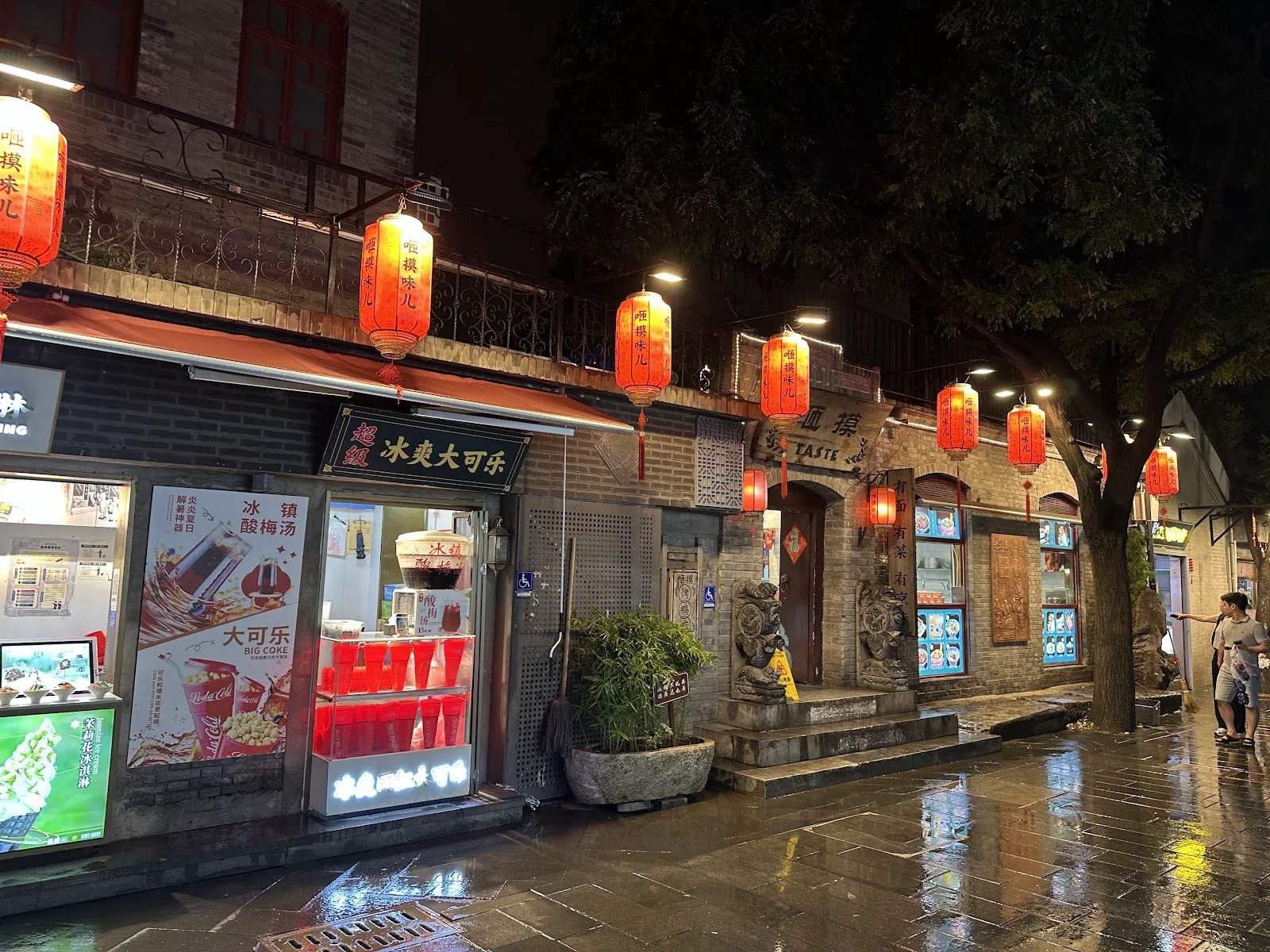
Long before the ring roads drew their concentric arcs around the capital, Beijing was a grid of grey brick and courtyard walls, laid out so precisely that you could still, in places, navigate by the compass the way the Yuan planners intended. The hutongs — the narrow residential lanes threaded between the courtyard houses — are what remain of that older logic, and they run quietly beneath the modern city like the grain in old wood. You do not need to see all of them. You need to walk a few of them well, at the right hour, with time to turn down a side alley when the main lane gets loud.
This guide moves roughly north-to-south and clusters the lanes by mood, so you can plan a morning of culture, an afternoon of grazing, or an evening that ends over a beer. Distances between most of these are short — often a ten- to twenty-minute walk — but the district rewards slowness, so budget more time than the map suggests.
The Famous Lanes — and How to Find the Quiet in Them
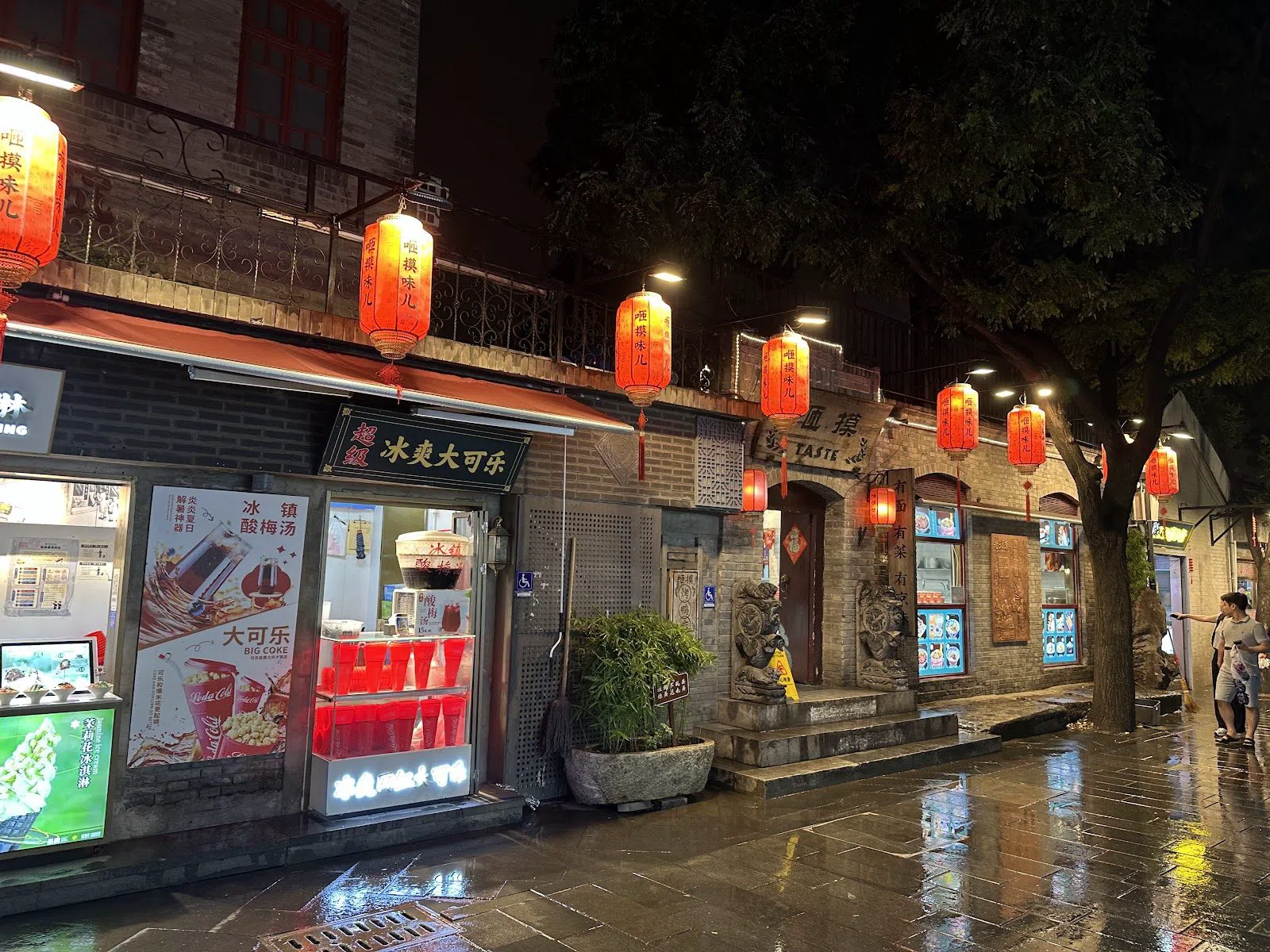
Most visitors begin at Nanluoguxiang (the South Gong & Drum Lane area, between Gulou and Di'anmen), and there is no harm in that as long as you know what you are walking into. This is the easiest first-timer introduction to hutong geometry: a single long pedestrian spine, fully car-free, with numbered side alleys branching east and west in the old herringbone pattern. It is also heavily commercialised and genuinely crowded — on peak days more than 30,000 people pass through, and crowd-control barriers sometimes meter large tour groups at the entrances. The main lane costs nothing to walk; snacks and souvenirs run roughly ¥10–60.
The trick is timing and direction. Arrive by 9am, before the tour coaches, and treat the central lane only as a corridor. The texture you came for is in the side hutongs that peel off it — quieter, still residential, where laundry hangs across the brick and someone is always fixing a bicycle. Walk the spine for orientation, then commit to the alleys.
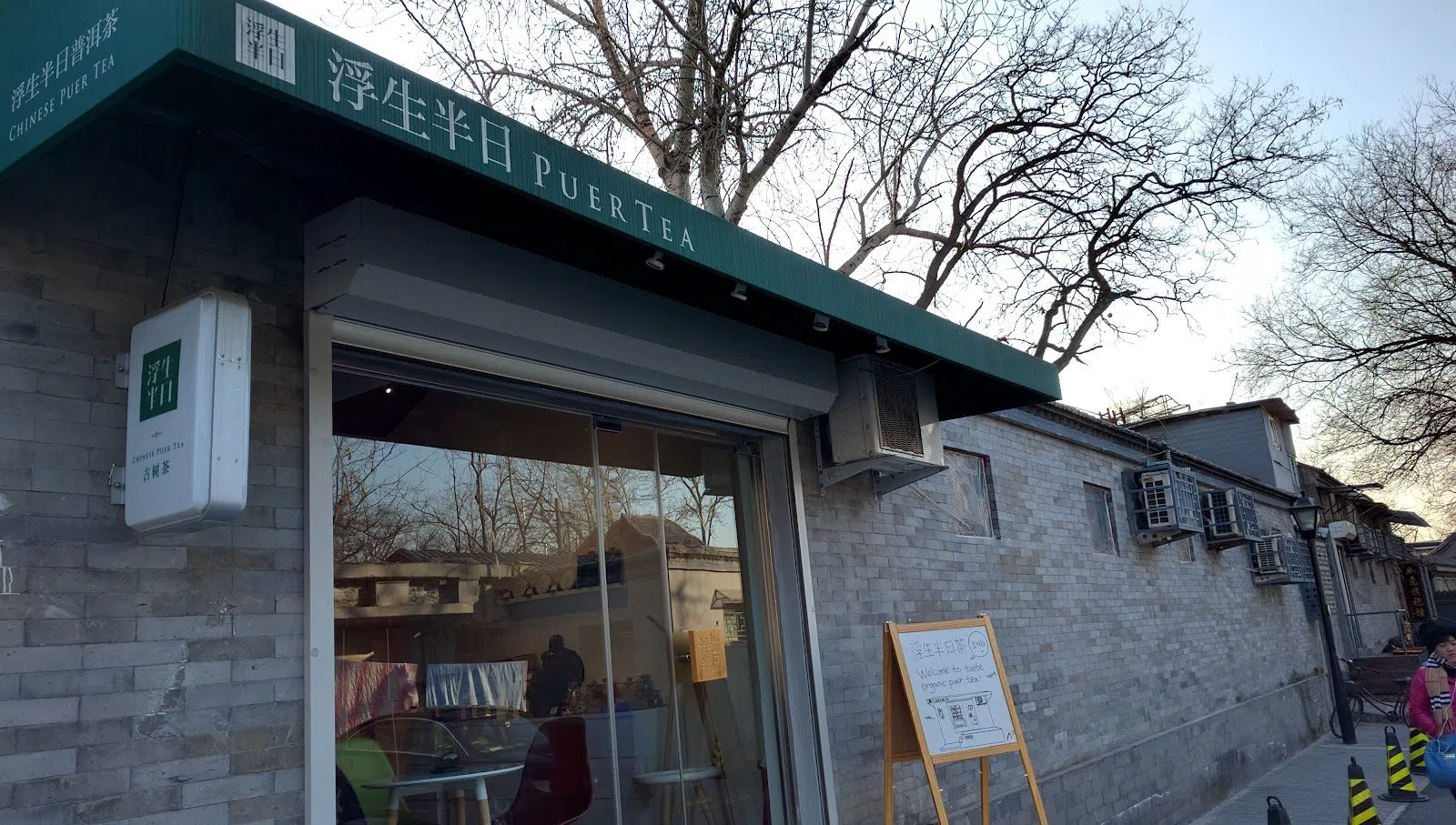
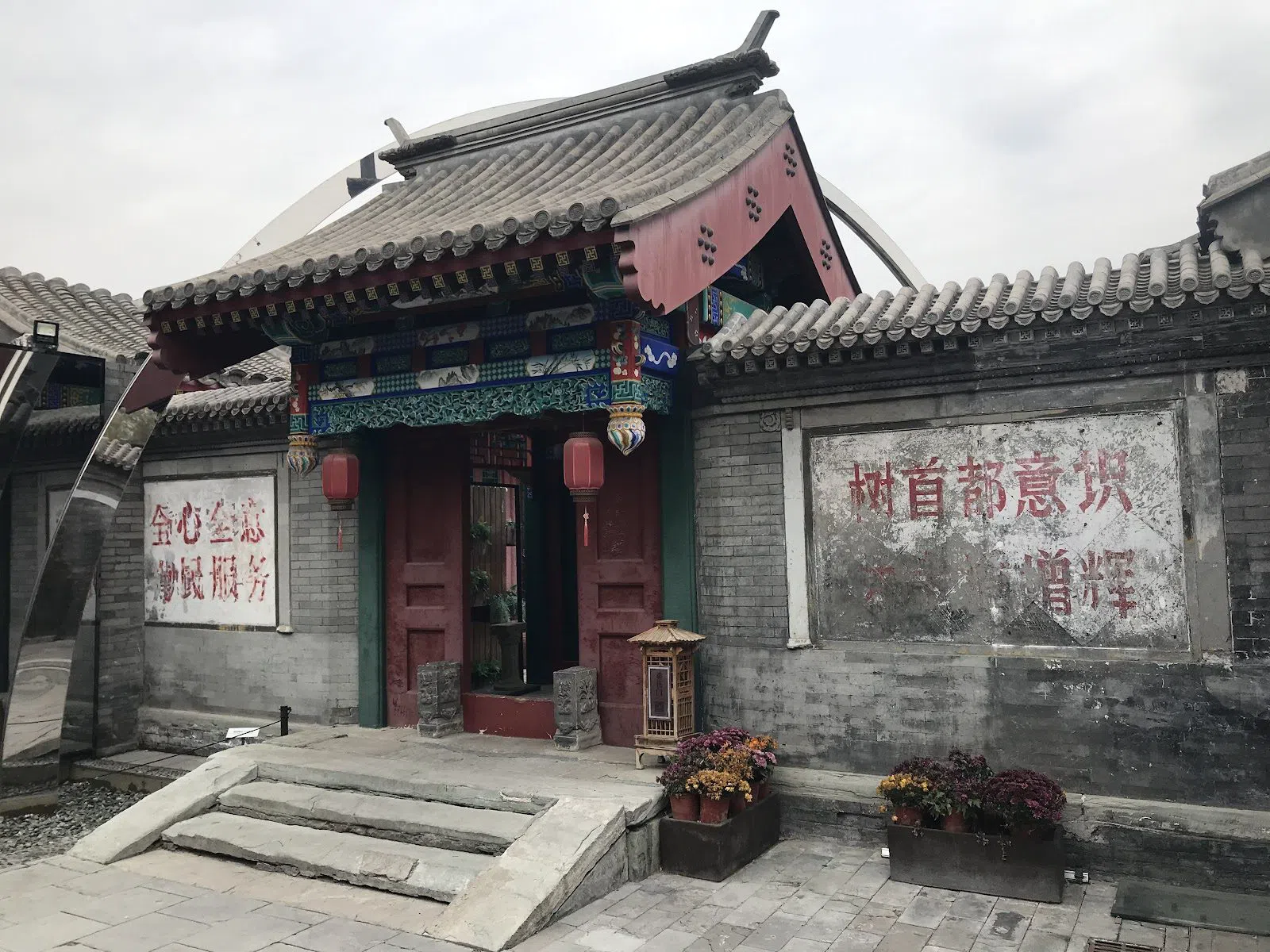
From the southern end, Mao'er Hutong (running west off Nanluoguxiang toward Di'anmen) is the natural next step and a marked change of pace — about a five-minute walk gets you into it. This is a grand courtyard lane, home to the mansion of the last Qing empress, Wan Rong, and to the celebrated Keyuan garden courtyard. A word of honesty, because it saves disappointment: the famous courtyards here are protected relics and are not open to walk inside. You admire the gatehouses — some of the most elaborate in the district — from the street. Read Mao'er as an exterior architecture walk, looking up at the carved lintels and the stone drums flanking the doors, and it becomes one of the most satisfying quiet stretches in the old city. It is free to walk and never as pressed as its neighbour.
Plan your Beijing trip
Live prices from our booking partners.
Free cancellation on many rooms. We may earn a commission when you book.
Around the Lakes: Houhai's Edge
West of the Drum Tower, the Houhai lakes soften the grid, and the lanes here carry a different, waterside atmosphere. Yandai Xiejie (the Skewed Tobacco Pouch Street, at the Houhai end near the Drum Tower) is the one to walk at dusk. It is an 800-year-old lane — short, gently kinked, lined with curio shops, antique dealers and small cafés — that threads directly into the Houhai bar scene at its western mouth. Compared with Nanluoguxiang it is far shorter and less tiring; you can walk its length in fifteen to twenty minutes without rushing, which makes it a kinder option late in the day when your feet are done.
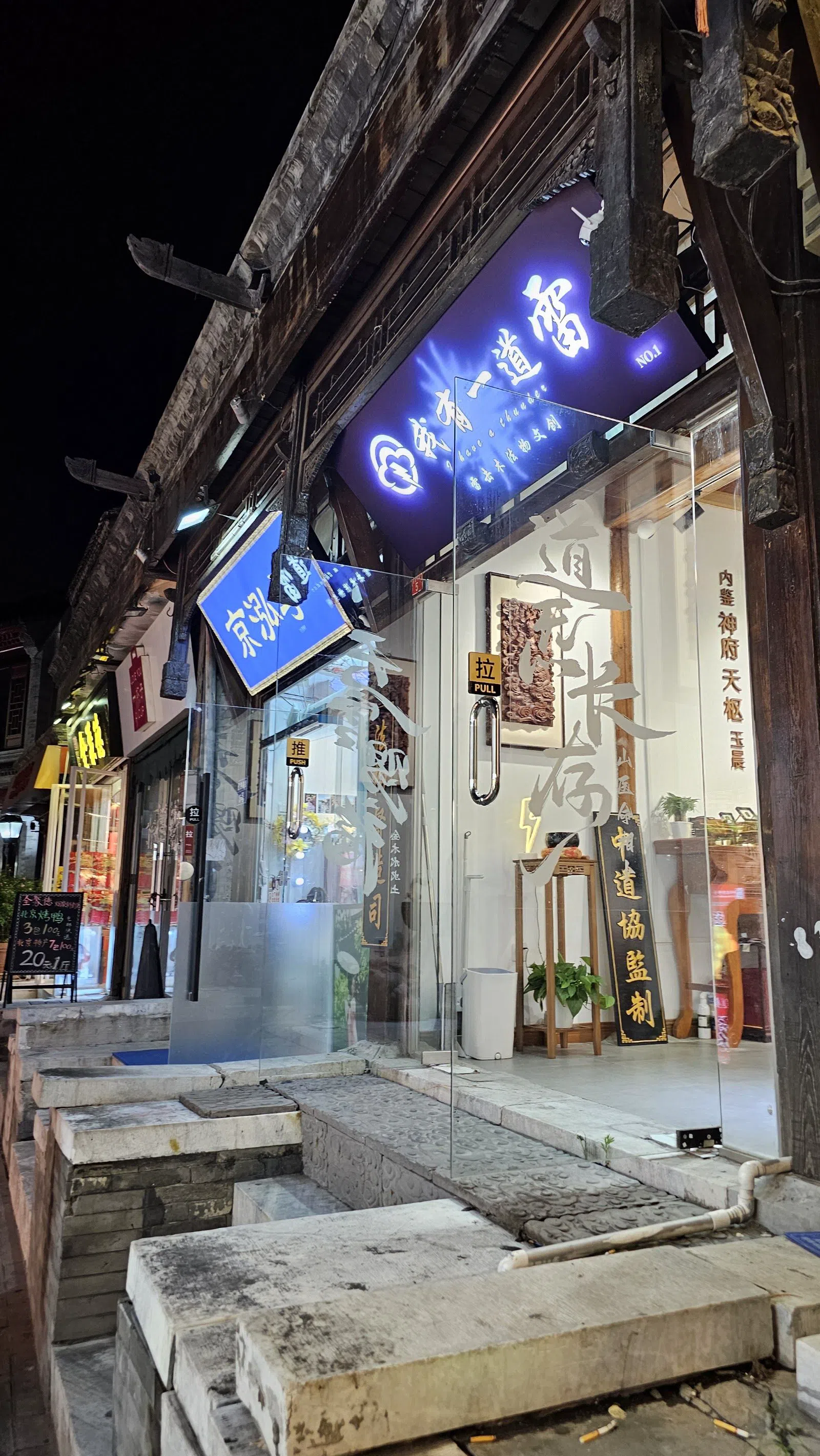
It is a public lane and welcomes groups, but be realistic about the bars: they are small, and a party of eight will end up split across two or three venues rather than seated together. Drinks run about ¥40–80. If you are a couple, this is an easy, atmospheric evening stroll; if you are a larger group set on drinking together, plan to spill along the lakeside instead. As a quieter alternative to the neon of the main Houhai bar strip, linger on Yandai's antique-shop end before the crowds thicken after dark.
The Scholarly North: Temples, Archways and Slow Coffee
A little to the east, near the Lama Temple, two lanes pair culture with a genuinely relaxed pace, and together they make the best half-day in this guide.
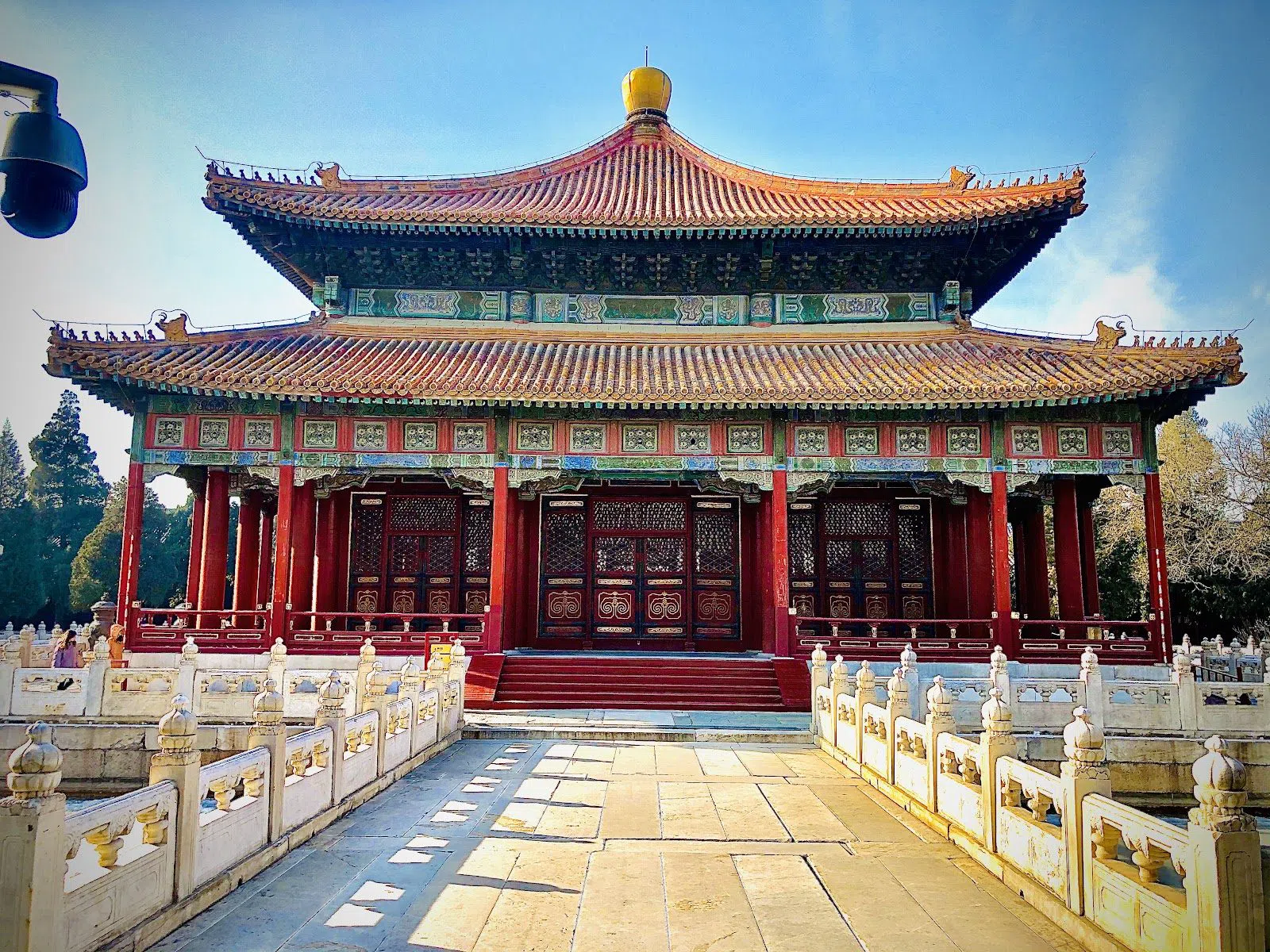
Guozijian Street (the Imperial College Street, immediately south of the Lama Temple) is the most dignified lane in the old city. It is one of the very few streets in Beijing to keep its ceremonial paifang archways spanning the road, and it anchors two serious cultural sites side by side — the Confucius Temple and the old Imperial College, with a combined entry of around ¥30. The street is calm and welcoming to groups, but it is a working heritage street; keep voices down and let it hold its composure. Between the temple gates you will find a couple of understated Nordic-style cafés, which makes it an easy place to sit and let the morning settle.
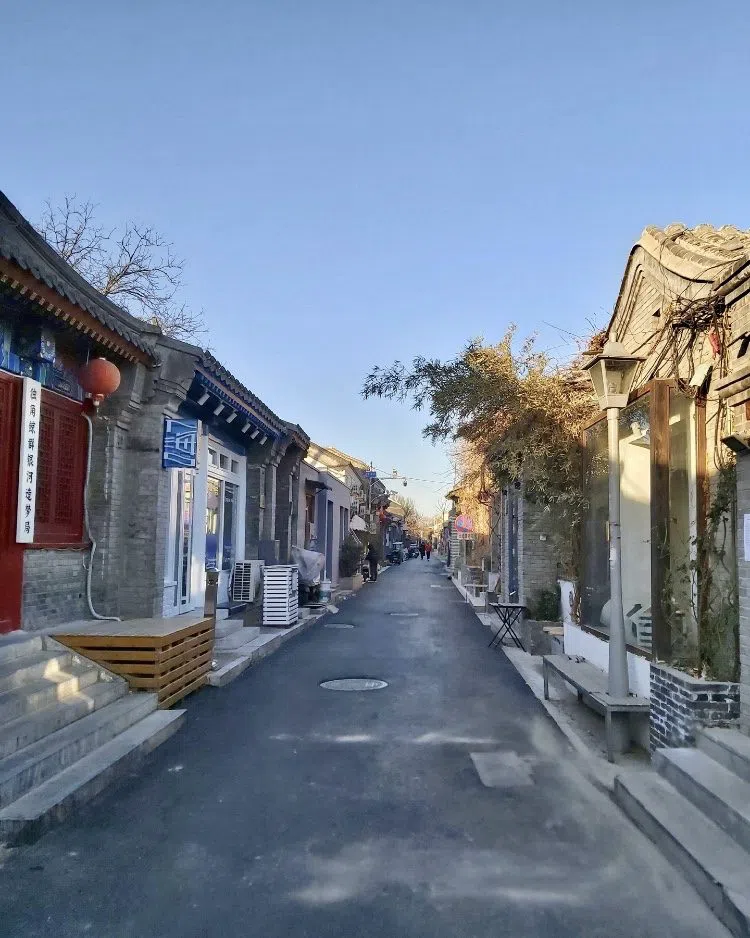
From the western end of Guozijian, it is roughly a five-minute walk to Wudaoying Hutong (also just west of the Lama Temple), the most walkable of the city's contemporary lanes. This is where old-Beijing brick meets specialty coffee, craft beer, vintage clothing and a scattering of vegetarian kitchens. It suits a walk-and-graze crawl better than a fixed dinner: coffee runs about ¥30–45, craft beer ¥45–70. The lane is relaxed and tolerant of groups, and some venues — Full Ding among them — have rooftops that seat a party and open a view back toward the Lama Temple's tiled roofs. Give it anywhere from ninety minutes to three hours depending on how often you stop. If Wudaoying feels busy, the answer is not to leave the neighbourhood but to drift back to Guozijian, which almost always holds its quiet.
After Dark, and the Neighbourhood That Isn't an Attraction
Two lanes reward you for staying out later and for wanting something less curated.
Fangjia Hutong (off Andingmen Inner Street, a short walk south of the Lama Temple area) is the district's arts-and-nightlife lane, and its story is worth knowing. It survived the 2017 'wall-plugging' clearances that bricked up countless informal hutong storefronts across the city, and it regrew rather than dying. The Fangjia 46 arts courtyard now anchors a real scene of galleries, live music and small breweries. For groups after dark this is the most practical stop: the Peiping Machine brewery pours from 32 taps and Tiki Bungalow can handle a party, while the arts courtyard is walk-in and free. Beers run ¥40–70 and meals ¥60–120. It is livelier and less polished than Wudaoying — which is precisely the point.
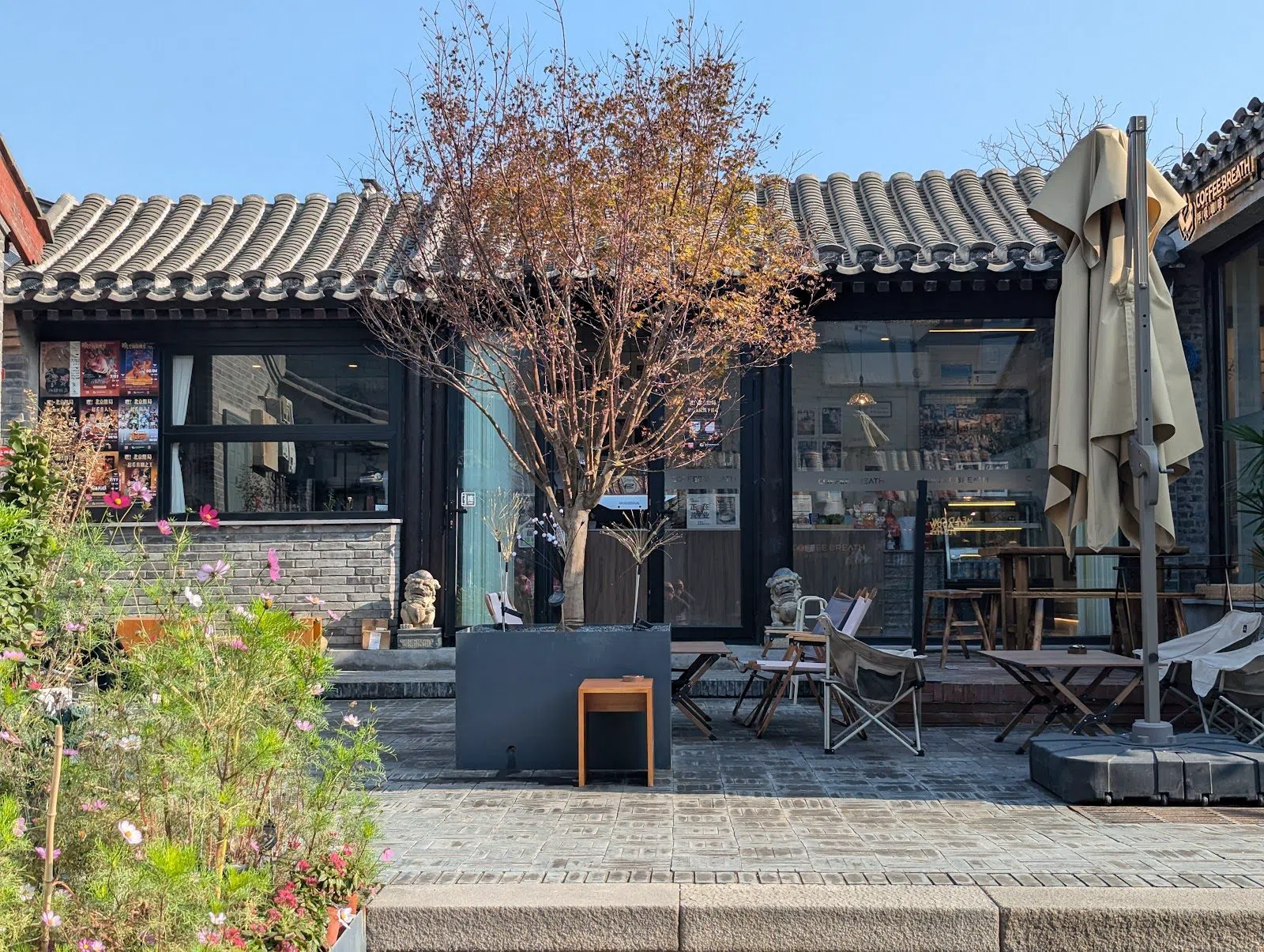
For something closer to ordinary life, walk to the Dongsi Hutongs (the numbered lanes Santiao through Batiao, east of the Lama Temple corridor). This is not an attraction and does not pretend to be one — it is one of the best-preserved and least-touristed residential clusters in the city, and what you get is unhurried daily life behind grey walls: doorway conversations, a man cycling home with vegetables, children on the way to school. Treat it accordingly. This is a place for a small guided group or a quiet pair, not for a loud crowd; tread respectfully and keep to the lanes rather than peering through private gates. The Dongsi Hutong Museum, at No.77 Sitiao, is free and gives useful context on courtyard architecture and lane life before you walk — a good first stop that turns a pretty stroll into something you actually understand.
The Craft Quarter: Ink, Brushes and Old Shops
South of the centre, near Hepingmen, one street belongs to a different tradition entirely. Liulichang Cultural Street (in the old Xuanwu area, near Hepingmen) is the traditional-culture lane, given over to the 'four treasures of the study' — brush, ink, paper and inkstone — along with calligraphy, painting and antiques. It is wide and easy for groups, and its historic shops welcome browsers: Rongbaozhai for painting and prints, Yidege for ink since 1865, Daiyuexuan for brushes. Brushes and ink start around ¥30; antiques are open-ended and, honestly, demand real knowledge to buy well — admire freely, but do not assume the label. Come in the quiet of the morning; the street is at its calmest then, and heaves during the Changdian temple fair around Chinese New Year. Even if you buy nothing, the craft shops are a quiet pleasure and a gentler note to end on than a crowded lane.
Reading the Lanes
A hutong is not a museum piece; most are still homes. The single most useful habit is to lower your volume and slow your pace as you leave the commercial spines for the residential alleys — the difference in atmosphere is immediate, and it is where the district is at its best. Where courtyards are marked as protected relics, admire the gates and move on. And when a famous lane is crowded, the remedy is almost never to leave the area — it is to turn down the next side alley, where the same grey brick is holding a much quieter street.
When you are ready to plan the rest of your days, the Beijing guide covers the wider city beyond the lanes.
Practicalities
Getting there. The subway reaches every cluster in this guide. Nanluoguxiang and Mao'er have their own Line 6/8 stations; Line 2 and 5's Yonghegong (Lama Temple) stop serves Guozijian, Wudaoying, Fangjia and the Dongsi lanes; Line 2's Hepingmen is the stop for Liulichang. Between clusters, walking is often the same speed as transferring and far more interesting.
Cash and payment. Beijing runs almost entirely on mobile payment (WeChat Pay and Alipay), and both now let overseas visitors link a foreign card — set this up before you arrive. Carry a little cash in small notes as a backup for the oldest craft shops and street snacks; large notes are awkward for a ¥15 purchase.
Timing. Mornings belong to the culture and craft lanes — Guozijian, Liulichang and the residential Dongsi cluster are calmest before mid-morning. Save Yandai Xiejie for dusk and Fangjia for the evening. If you have one day, pair a Guozijian–Wudaoying morning with a Nanluoguxiang–Mao'er afternoon and finish at Houhai; if you have two, add Dongsi, Fangjia and Liulichang at their quieter hours.
Budget. The lanes themselves are free to walk. The Confucius Temple and Imperial College run about ¥30 combined; the Dongsi Hutong Museum is free. Reckon on ¥30–45 for coffee, ¥40–80 for drinks, and ¥60–120 for a casual meal — a relaxed day of grazing and browsing sits comfortably under ¥250 per person before shopping.
Where to stay. A courtyard hotel inside the old lanes puts you within walking distance of most of this guide and lets you see the hutongs empty at dawn; start your Beijing hotel search around the Gulou, Lama Temple or Houhai areas for the shortest morning walks.
Before you go
Which hutong should I visit first if I only have time for one?
Nanluoguxiang is the easiest introduction to hutong geometry — fully pedestrian and centrally located — but arrive by 9am and treat the main lane as a corridor, dipping into its quieter numbered side alleys for the real texture. If you want calm over convenience, Guozijian Street or the residential Dongsi lanes are gentler choices.
Can I go inside the famous courtyard houses on Mao'er Hutong?
No. The celebrated courtyards on Mao'er Hutong, including the Wan Rong mansion and Keyuan garden, are protected relics and are not open to walk inside. You admire the gatehouses and carved lintels from the street, which makes Mao'er best enjoyed as an exterior architecture walk.
Are Beijing's hutongs suitable for larger groups?
It varies. Nanluoguxiang, Liulichang and Guozijian Street are wide and group-friendly, and Fangjia Hutong's breweries and bars handle parties well. But the bars on Yandai Xiejie are small, so big groups split across venues, and the residential Dongsi lanes suit small, quiet groups rather than crowds.
Do I need cash to explore the hutongs in 2026?
Beijing runs almost entirely on mobile payment via WeChat Pay and Alipay, both of which now let overseas visitors link a foreign card — set this up before arrival. Carry a little cash in small notes as a backup for the oldest craft shops and street snacks.
When is the best time of day to walk the hutongs?
Mornings suit the culture and craft lanes — Guozijian Street, Liulichang and the Dongsi cluster are calmest before mid-morning. Save Yandai Xiejie for dusk when it threads into the Houhai lakeside scene, and leave Fangjia Hutong for the evening.