
Beijing
Beijing is a city of immense, uncompromising scale.
Guests & rooms
The Beijing guide
An insider’s read on Beijing
BBeijing is a city of immense, uncompromising scale.
As the seat of power for the Ming and Qing dynasties, Beijing was designed on a strict north-south axis to mirror the cosmic order. The 20th century brought dramatic transformations, sweeping away ancient city walls to make way for ring roads and massive public plazas. Today, the city's identity is a constant negotiation between imperial legacy, communist planning, and hyper-modern commercialism. Locals, known for their sharp wit and distinct rhotic accent, maintain a grounded, unhurried demeanor that contrasts sharply with the city's frantic pace of development.

PLATE IBeijing, China

Where to base yourself
The neighborhoods
01
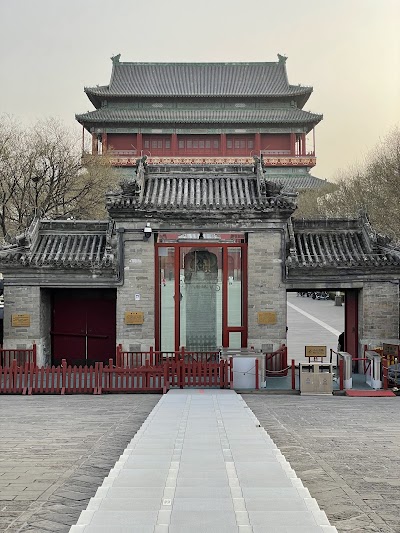
Gulou & Beiluoguxiang
For Creative travelers and independent explorers who want to experience historic alleyway life, though the narrow streets can get crowded with scooters and tourists on weekends.
A historic residential area defined by gray-brick alleyways, low-slung courtyard houses, independent coffee shops, and small boutiques.
Where to stay — Look for boutique courtyard hotels hidden down quiet side alleys to experience traditional architecture with modern comforts.
02
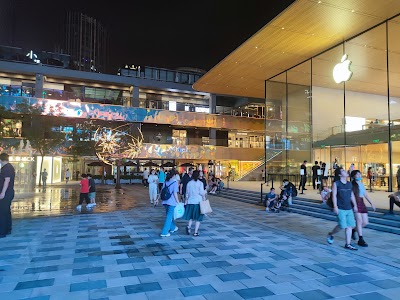
Sanlitun
For Fashion-conscious shoppers and nightlife enthusiasts, though it lacks traditional character and can feel sterile during the day.
A polished, high-energy retail and nightlife district filled with international flagship stores, upscale restaurants, and embassy compounds.
Where to stay — High-end design hotels and luxury high-rises dominate this area, offering excellent amenities and immediate access to nightlife.
03
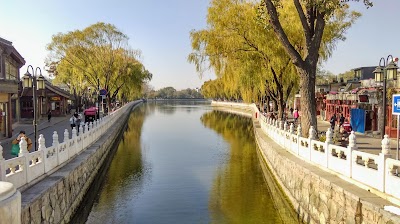
Guanyuan & Xicheng Lakes
For History enthusiasts and those seeking scenic water views, though the lakeside bars can become noisy and touristy after dark.
A scenic district centered around three interconnected lakes, lined with historic mansions, willow trees, and traditional residences.
Where to stay — Traditional courtyard guesthouses and mid-range hotels tucked away from the main lakeside strip.
04
Chaoyang CBD
For Business travelers and luxury seekers who prioritize modern infrastructure, though the area lacks street-level character and historic charm.
A dense forest of glass and steel skyscrapers, luxury shopping malls, and corporate headquarters.
Where to stay — International five-star luxury brands occupying the upper floors of major skyscrapers.
05

Qianmen & Dashilar
For First-time visitors wanting proximity to major monuments, though the main pedestrian street can feel overly commercialized.
A historic commercial district south of Tiananmen Square, featuring restored late-Qing architecture and long-standing traditional shops.
Where to stay — A mix of budget-friendly hostels and stylishly renovated boutique courtyard hotels.
06
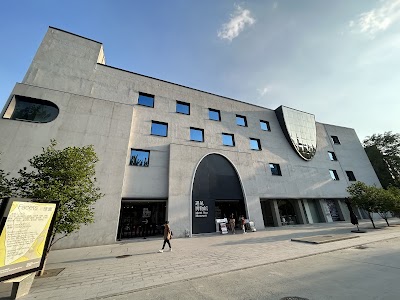
798 Art District
For Art lovers and design enthusiasts, though it is located far from the city center and can feel quiet on weekday mornings.
A sprawling complex of former East German-designed military factories transformed into China's premier contemporary art zone.
Where to stay — Lodging options are limited here; it is best visited as a day trip while staying in Chaoyang or Dongcheng.
07
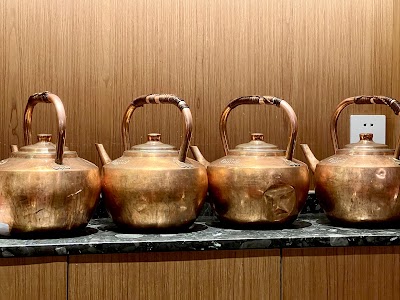
Wudaokou
For Budget travelers and younger visitors looking for affordable dining and a casual nightlife scene, though it is far from the central historic sights.
A youthful, energetic university district packed with cheap eateries, student bars, and tech startups.
Where to stay — Simple, functional business hotels and student-oriented guesthouses.
08
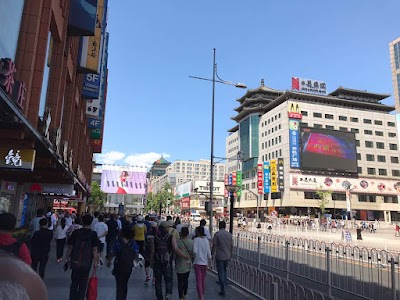
Wangfujing
For Shoppers and travelers who want a central base close to the Forbidden City, though it lacks local neighborhood intimacy.
A central, highly commercialized pedestrian shopping street lined with massive department stores and historic brands.
Where to stay — Grand, historic luxury hotels and reliable international chains.
09

Yonghegong & Wudaoying
For Travelers seeking a blend of cultural depth and relaxed lifestyle, though the main temple street gets heavily congested with traffic and incense smoke.
An atmospheric neighborhood where spiritual devotion meets hipster culture, centered around a major Tibetan Buddhist temple.
Where to stay — Charming mid-range boutique hotels located in the surrounding quiet residential alleys.
Book direct
Book a hotel in Beijing
Loading live availability and real-time prices…
Where to eat
Dining
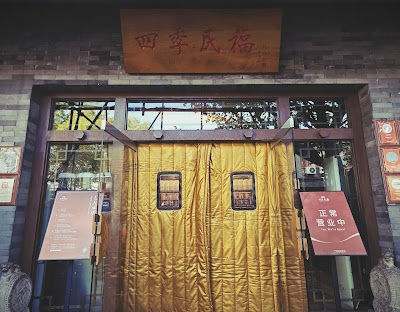
Siji Minfu (四季民福)
€€Dongcheng
Consistently praised for serving the most balanced roast duck in the city, featuring exceptionally crispy skin and tender meat without excess grease.
Signature — Traditional Peking Roast Duck served with thin pancakes and sweet bean sauce.
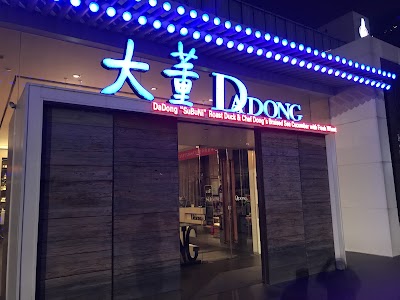
Da Dong (大董)
€€€Chaoyang
Known for a refined, modern approach to roast duck, utilizing a specialized roasting technique that results in a leaner, crispier skin.
Signature — Super-lean Roast Duck paired with sugar for dipping the crispy skin.
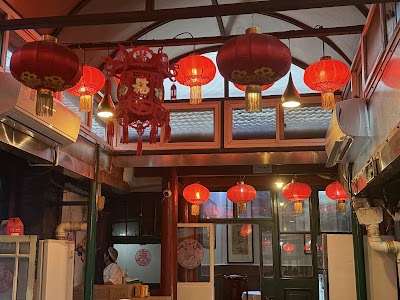
Liqun Roast Duck Restaurant (利群烤鸭店)
€€Qianmen
Offers a gritty, atmospheric dining experience inside a run-down, authentic courtyard house where ducks are roasted over open fruitwood fires.
Signature — Stone-oven Roasted Peking Duck.
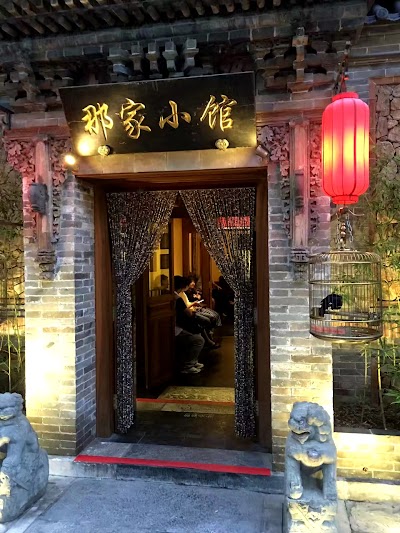
Najia Xiaoguan (那家小馆)
€€Chaoyang
Specializes in Manchu imperial cuisine served in an opulent, antique-filled dining room that evokes the Qing dynasty.
Signature — Eight Banner Tofu and slow-cooked imperial venison.
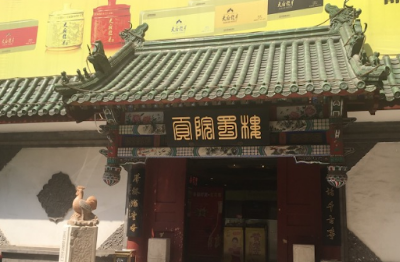
Chuan Ban (川办餐厅)
€€Dongcheng
Housed inside the official Sichuan provincial government office, this legendary spot serves uncompromisingly authentic, fiery Sichuan dishes.
Signature — Mouthwatering Chicken in chili oil and Mapo Tofu.
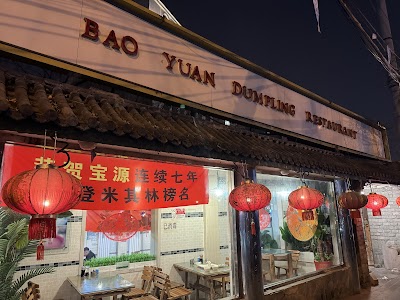
Baoyuan Dumpling House (宝源饺子屋)
€Liangmaqiao
Famous for its vibrant, naturally dyed dumpling wrappers and an extensive menu of creative fillings ranging from classic pork to spicy purple cabbage.
Signature — Colorful boiled dumplings with pork, shrimp, and chives.

The Georg
€€€€Dongcheng
Combines minimalist Scandinavian design and culinary techniques with a historic, glass-roofed courtyard setting along a quiet canal.
Signature — Multi-course seasonal tasting menu featuring cured seafood and artisanal broths.
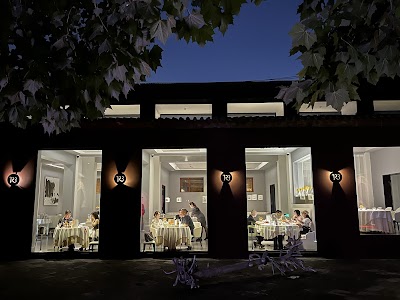
TRB Hutong (Temple Restaurant Beijing)
€€€€Dongcheng
Offers impeccable contemporary European fine dining set within a beautifully restored 350-year-old Tibetan Buddhist temple complex.
Signature — Slow-roasted Australian Wagyu beef with seasonal truffles.
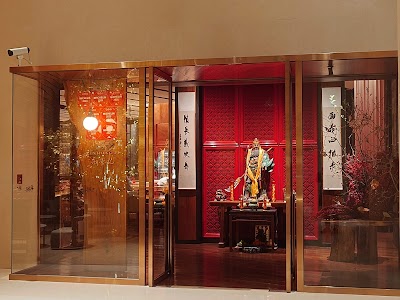
Xin Rong Ji (新荣记)
€€€€Jinrongjie
Renowned for elevating coastal Taizhou cuisine to the highest culinary standards, emphasizing pristine ingredients and precise execution.
Signature — Braised wild yellow croaker in a rich, golden broth.
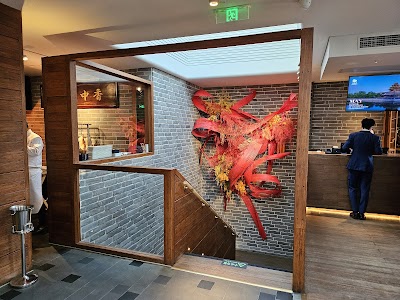
Sheng Yong Xing (盛永兴)
€€€€Sanlitun
Elevates the traditional roast duck experience with sophisticated wine pairings curated by professional sommeliers in an elegant, dim-lit space.
Signature — Roast Duck topped with fresh caviar.
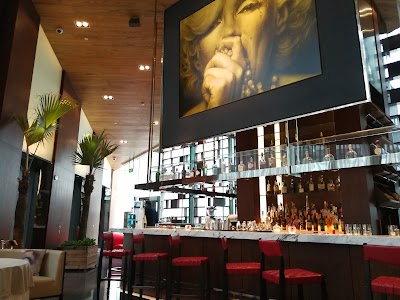
Opera Bombana
€€€€Parkview Green
Delivers refined, authentic Italian cuisine utilizing premium imported ingredients, set within a striking, art-filled modern atrium.
Signature — Handmade tagliolini with fresh white truffles and artisanal butter.
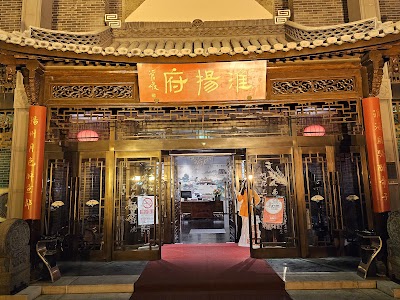
Huaiyang Fu
€€€Andingmen
Celebrates the delicate, knife-skill-intensive traditions of Huaiyang cuisine in a grand, classically designed dining hall.
Signature — Shredded tofu skin in clear chicken broth and braised pork belly.
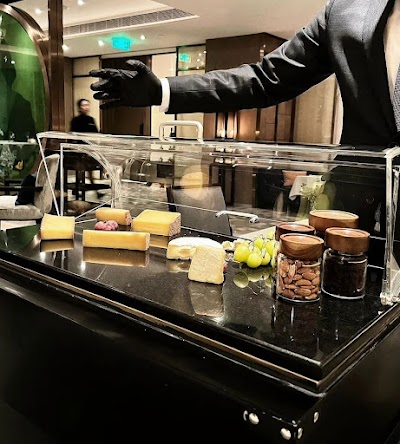
Jing
€€€€Wangfujing
Located inside the Peninsula Hotel, this refined venue blends French culinary artistry with premium Asian seafood in a sleek, modern setting.
Signature — Brittany lobster with heirloom tomatoes and verbena emulsion.
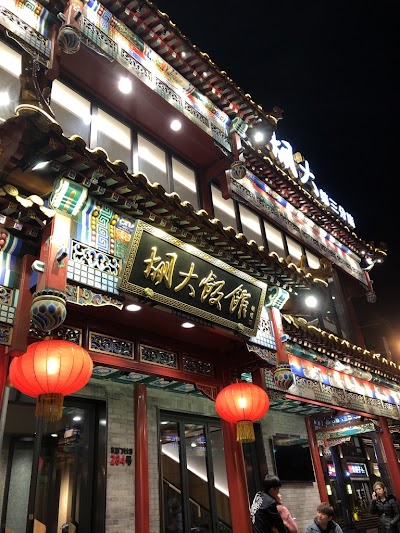
Huda Restaurant (胡大饭馆)
€€Guijie
The undisputed king of Beijing's famous spicy food street, drawing massive late-night crowds for its fiery, numbing crawfish.
Signature — Spicy Sichuan Crawfish (Xiaolongxia) cooked with Sichuan peppercorns.

Wangshunge Fish Head (旺顺阁)
€€Chaoyang
Famous for its massive, organic lake fish heads simmered in a rich, savory brown gravy, designed for communal sharing.
Signature — Signature Braised Fish Head served with crispy pancake strips to dip in the sauce.
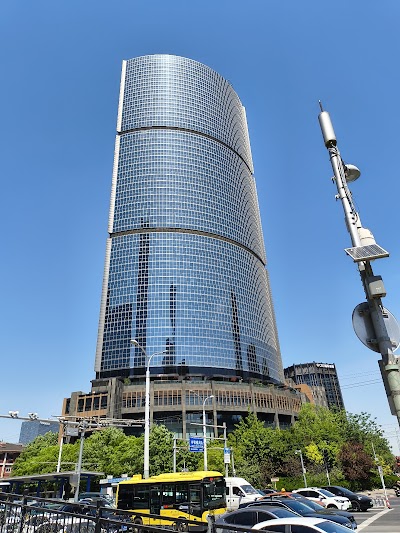
Country Kitchen
€€€Chaoyang
Located in the Rosewood Hotel, this stylish venue features an open kitchen with wood-burning ovens, serving rustic, high-quality northern grills.
Signature — Wood-fired roasted pork belly with garlic and sweet soy.
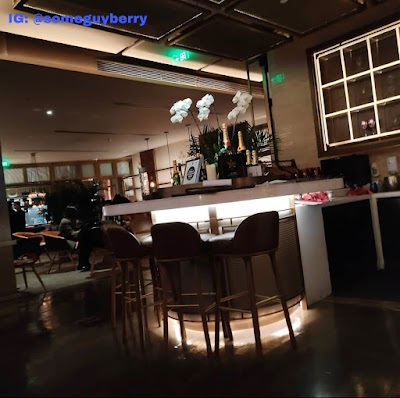
Char Bar & Grill
€€€€Sanlitun
A sleek, modern steakhouse offering premium cuts of Australian beef alongside panoramic views of the Sanlitun skyline.
Signature — Tomahawk steak seasoned with artisanal volcanic salts.
The Cut
€€€€Chaoyang
A classic, sophisticated hotel steakhouse known for its extensive wine list and meticulously dry-aged beef.
Signature — Dry-aged Ribeye steak cooked over charcoal.
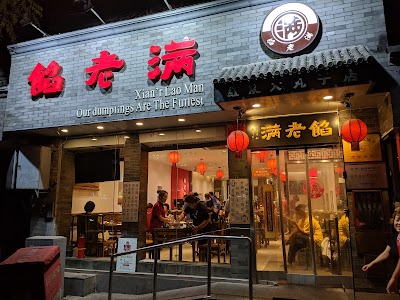
Xian Lao Man (馅老满)
€Andingmen
A bustling, cheerful local chain famous for its incredibly cheap, freshly wrapped dumplings filled with traditional ingredients.
Signature — Pork, leek, and shrimp dumplings served boiled or pan-fried.
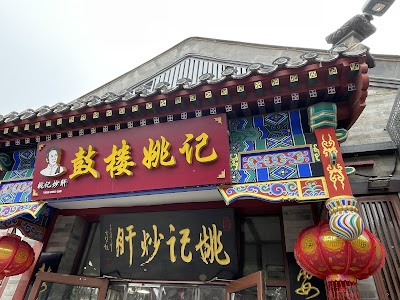
Yaoji Chaogan (瑶记炒肝)
€Gulou
A historic, basic eatery located near the Drum Tower, famous for serving traditional, gelatinous Beijing-style breakfast stews.
Signature — Chaogan (thick pork liver and intestine stew heavily seasoned with garlic).
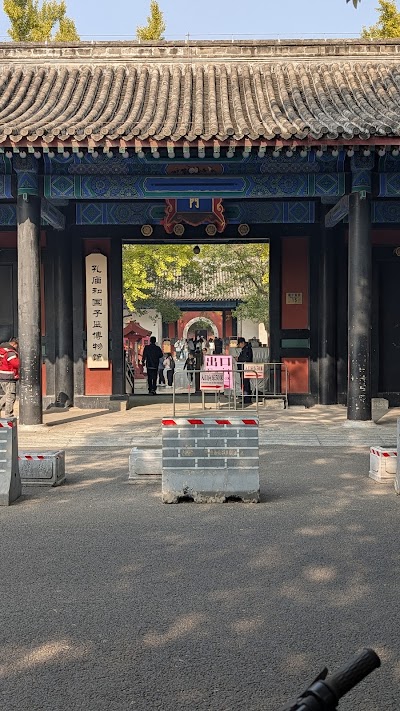
Zhang Mama (张妈妈特色川味馆)
€Gulou
A tiny, legendary hole-in-the-wall that draws long lines for its incredibly cheap, intensely spicy home-style Sichuan dishes.
Signature — Zhang Mama Xiangguo (spicy dry pot with mixed meats and vegetables).
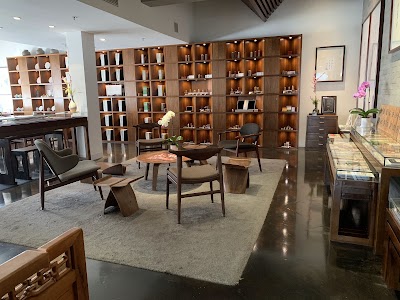
King's Joy (京兆尹)
€€€€Lama Temple
An ultra-luxury, multi-Michelin-starred vegetarian restaurant set in a mist-filled courtyard, serving highly artistic, seasonal plant-based dishes.
Signature — Sweet and sour organic mushrooms styled to resemble traditional pork ribs.
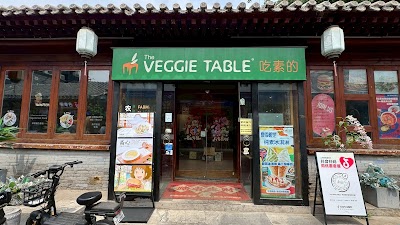
The Veggie Table (吃素的)
€€Wudaoying Hutong
A relaxed, Western-style vegan cafe offering hearty Mediterranean-inspired dishes, organic beers, and vegan desserts in a cozy alleyway setting.
Signature — Vegan falafel wraps and dairy-free pesto pasta.
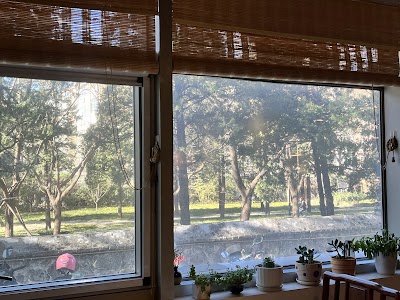
Tianchu Miaoxiang (天厨妙香)
€Wudaokou
A peaceful, Buddhist-run restaurant popular with students, known for its creative and highly realistic vegetarian mock meats.
Signature — Vegetarian 'roast duck' made from seasoned tofu skin.
After dark
Nightlife
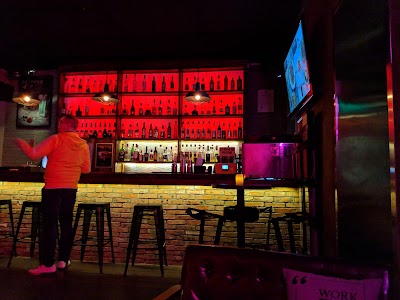
Destination
Chaoyang
Beijing's premier, long-running LGBTQ+ venue, featuring multiple dance floors, art gallery spaces, and a welcoming, high-energy atmosphere.
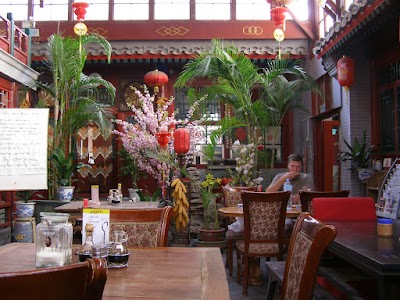
Lantern
Gongti
The undisputed institution of Beijing's underground electronic music scene, hosting top local and international techno DJs in a dark, minimalist basement.
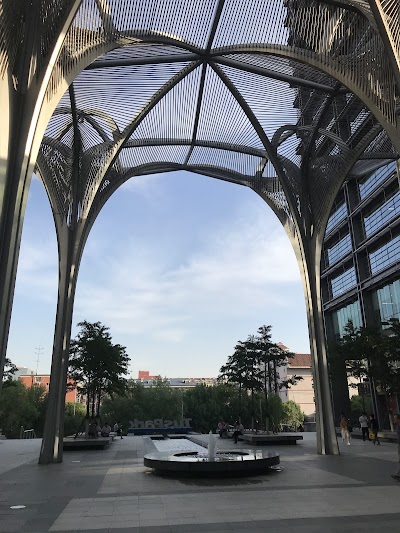
One Third
Gongti
A massive, multi-million dollar mega-club featuring theatrical lighting, industrial design, and a state-of-the-art sound system.
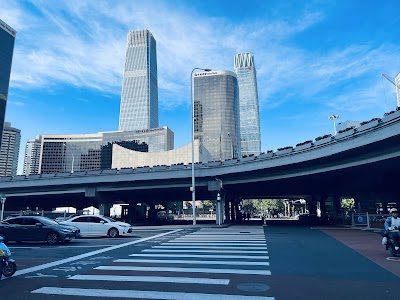
Atmosphere
Chaoyang CBD
Located on the 80th floor of the China World Summit Wing, this is the city's highest bar, offering dramatic views of the skyline on clear nights.

Mai Bar
Beiluoguxiang
An intimate, unpretentious cocktail bar hidden inside a quiet residential alleyway, famous for its fresh fruit infusions and custom creations.
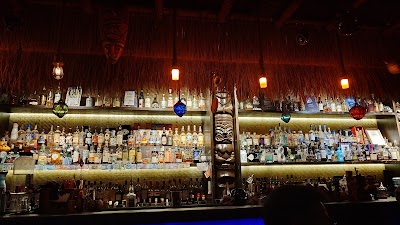
The Tiki Bungalow
Jiaodaokou
A quirky, retro-themed tiki bar serving potent, high-quality tropical rum drinks in a tiny, atmospheric alleyway space.
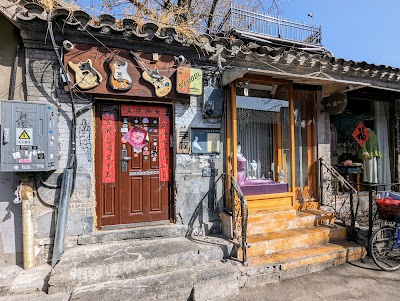
School Bar
Wudaoying Hutong
The legendary cradle of Beijing's modern indie rock and punk scene, hosting raw, energetic local bands almost every night of the week.
Blue Note Beijing
Qianmen
Housed in a grand, historic underground space near Tiananmen, this world-class venue hosts top-tier international jazz, soul, and blues artists.

DDC (Dusk Dawn Club)
Ritan
A beloved, eclectic music venue hosting everything from experimental jazz and indie folk to traditional Chinese fusion acts.
Art & history
Culture
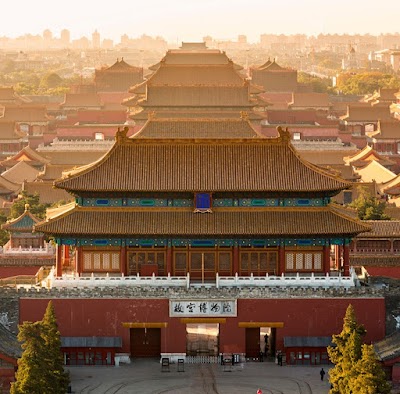
The Palace Museum (Forbidden City)
Dongcheng
The world's largest preserved imperial palace complex, containing thousands of ancient wooden structures and priceless dynastic artifacts.
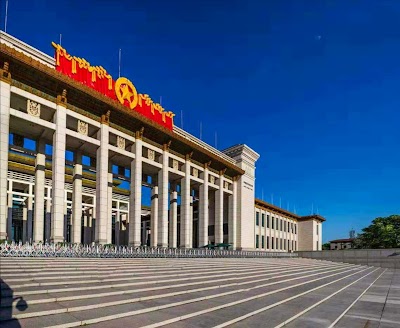
National Museum of China
Tiananmen Square
One of the largest museums in the world, chronicling China's vast history from ancient hominids to modern space exploration.
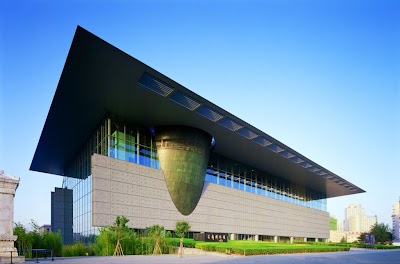
Capital Museum
Xicheng
A modern, architecturally striking museum showcasing the local history, folk culture, and ancient bronze and jade collections of Beijing.
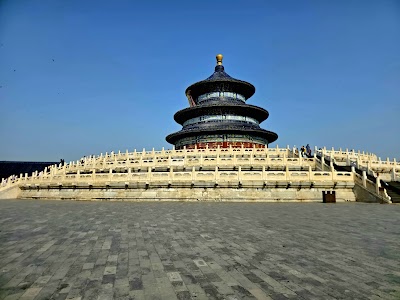
Temple of Heaven
Dongcheng
A masterpiece of Ming-dynasty wooden architecture where emperors performed solemn rituals to ensure good harvests.
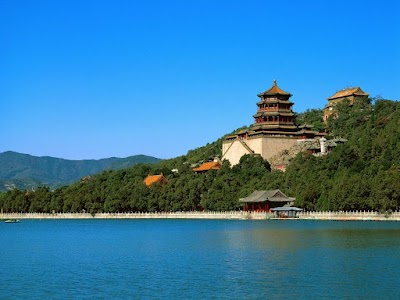
The Summer Palace
Haidian
A vast imperial lakeside retreat featuring classical Chinese gardens, ornate pavilions, and the iconic marble boat.
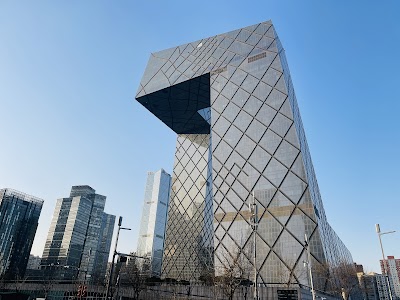
CCTV Headquarters
Chaoyang CBD
Designed by Rem Koolhaas, this gravity-defying, loop-shaped skyscraper is one of the world's most daring modern architectural marvels.
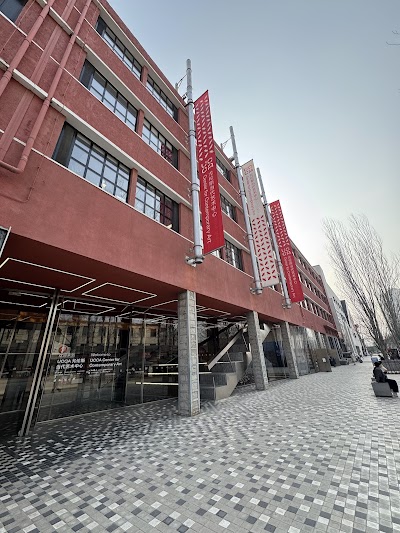
UCCA Center for Contemporary Art
798 Art District
China's leading independent contemporary art institution, hosting major exhibitions by influential Chinese and international artists.
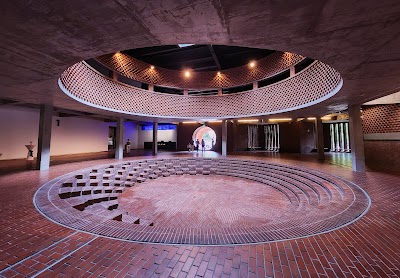
Red Brick Art Museum
Chaoyang
A striking contemporary museum constructed entirely from red bricks, featuring tranquil, avant-garde water gardens.

Galleria Continua
798 Art District
An international gallery that bridges local Chinese contemporary art with major global artists in a raw, industrial factory setting.
Book ahead
Top-rated experiences in Beijing

Beijing: Mutianyu Great Wall Private Tour
from $80

Beijing to Xi'an See Terracotta Warriors with Bullet Train Round Trip Transfer
from $564

Beijing Capital Airport Layover Mutianyu Great Wall Private Tour
from $69

Jinshanling Private Tour with Night View of Simatai and Gubei Water Town from Beijing
from $278

All-inclusive Private Day Tour to Mutianyu Great Wall
from $188

Mutianyu Great Wall Private Day Tour With English-Speaking Driver
from $75

Beijing :Mutianyu Great Wall and Summer Palace Private Tour
from $188

Private Tour to Mutianyu Great Wall, Tiananmen Square and Forbidden City
from $110
These are affiliate links. We may earn a commission when you book — at no extra cost to you. Tours are sold and operated by Viator, the merchant of record. Ratings collected by Viator and Tripadvisor.
Timing
When to visit
Autumn
September to October brings crisp air and comfortable temperatures, locally celebrated as the season of clear skies and cool breezes, making it ideal for outdoor exploration.
Spring
April to May features blooming trees and warming temperatures, though northern winds can occasionally bring yellow dust storms from the Gobi Desert.
Summer
June to August is hot, humid, and prone to heavy downpours, with temperatures frequently climbing past thirty-five degrees Celsius.
Winter
November to March is freezing and dry, with biting winds from Siberia, though it offers crowd-free monuments and the chance to see the imperial palaces dusted in snow.
What it costs
Budgeting
Logistics
Getting around
From the airport
From Beijing Capital International Airport (PEK), the Airport Express train connects to the subway network at Sanyuanqiao and Dongzhimen stations in under thirty minutes. From Beijing Daxing International Airport (PKX), a high-speed express train reaches Caoqiao station in southern Beijing in nineteen minutes.
Public transit
The subway system is vast, efficient, and highly affordable, with English signage and fare rates calculated by distance. Buses are extensive but subject to the city's notorious traffic jams.
Passes & tickets
The Yikatong card is a rechargeable smart card used for subways and buses, requiring a small refundable deposit and easily topped up at station kiosks or via mobile payment apps.
On foot
The city's superblocks and massive intersections make walking long distances exhausting. However, the historic alleyway districts, known as hutongs, are highly walkable and best explored on foot or by bicycle.
Travel smart
Safety & etiquette
Local etiquette
- •Always carry your passport, as it is required for entry to major tourist sites, subway stations, and public squares.
- •Tipping is not customary in restaurants, taxis, or hotels, and may occasionally be refused.
- •When presenting or receiving business cards, money, or gifts, always use both hands as a sign of respect.
From the ground
Practical tips
1
Set up Alipay and WeChat Pay on your phone before arriving, linking your international credit card to ensure seamless payments.
2
Avoid traveling during Chinese National Day (Golden Week) in early October and Chinese New Year, when major attractions are overwhelmingly crowded and transport is booked out.
3
Download the MetroMan app for an easy, offline-friendly interactive map of the Beijing subway system.
4
Always use the official Didi ride-hailing service inside Alipay rather than hailing unmarked taxis on the street to avoid overcharging.
5
Carry a small pack of tissues and hand sanitizer, as many public restrooms do not provide toilet paper or soap.
6
Buy a high-quality air filtration mask if you are sensitive to air pollution, as PM2.5 levels can occasionally spike during winter months.
Beijing FAQs
Do I need a VPN to access the internet in Beijing?
Yes, a reliable Virtual Private Network (VPN) is essential. It must be downloaded and installed on your devices before arriving in China to access blocked services like Google, maps, and Western social media.
Is English widely spoken in Beijing?
English is spoken in major international hotels and high-end restaurants, but is rare among taxi drivers, subway staff, and local eateries. Downloading a translation app that works offline is highly recommended.
How do I pay for things in Beijing?
Mobile payment platforms like Alipay and WeChat Pay are used for almost all transactions. It is highly recommended to link an international credit card to these apps before arrival, as many vendors do not carry change for cash.
How do I book tickets for the Forbidden City?
Tickets must be booked online in advance through the official Palace Museum website or mini-programs, using your passport number. Tickets are limited and often sell out days in advance, especially during national holidays.